
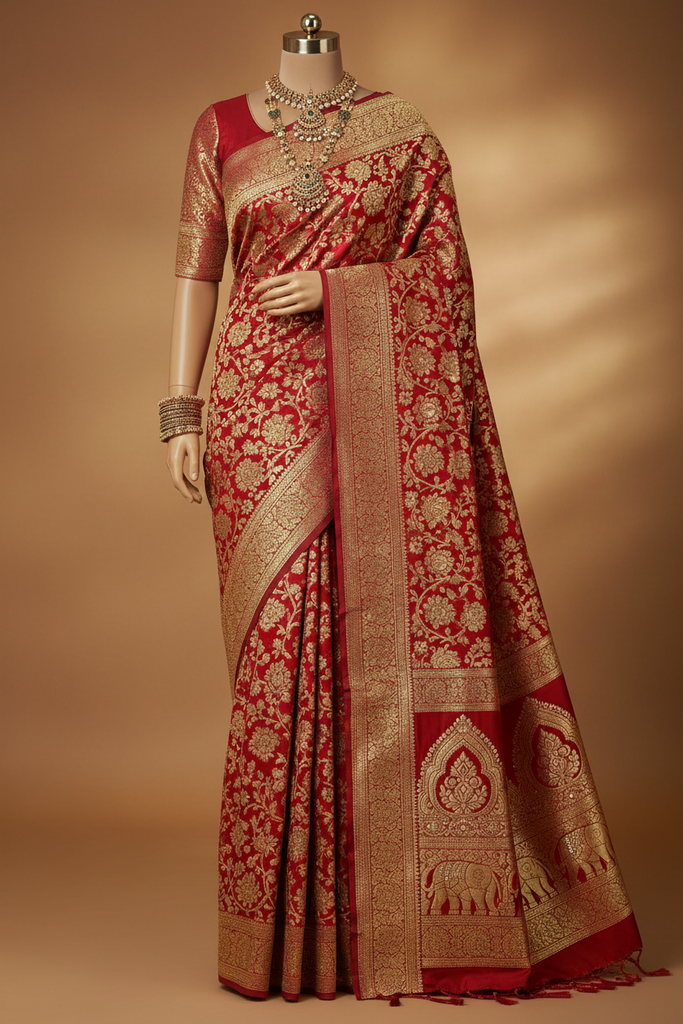
How to Store and Care for Heavy Wedding Silk Sarees
Introduction: The Responsibility of Holding a Living Asset
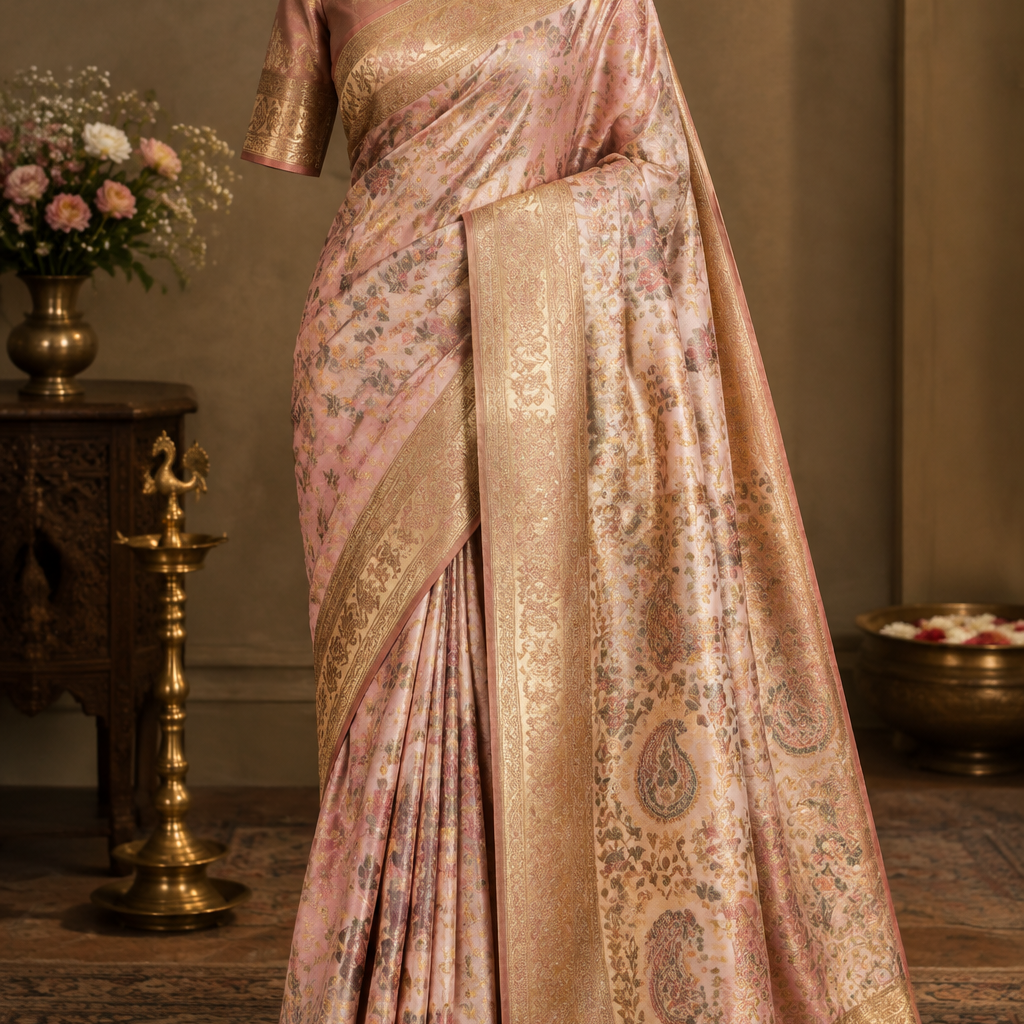
When a family purchases a premium bridal handloom saree, they are choosing far more than an exquisite garment for a milestone day. An authentic pure zari Kanchipuram silk saree is a significant material asset, a beautiful repository of cultural memory, and a living piece of art meant to be inherited by generations to come. Woven from high-grade organic mulberry silk and real precious metals including pure silver and 24-karat gold wire electroplating each masterpiece carries immense historical, structural, and material value. Yet, the longevity of this textile asset depends entirely on the environment in which it lives after the wedding festivities conclude.
Unlike ordinary, mass-produced fast fashion or synthetic textiles, natural silk fibers and genuine metallic zari alloys react dynamically to ambient humidity, shifting room temperatures, chemical storage environments, and continuous physical friction. Without professional maintenance, pristine borders can oxidize into a dull dark tone, while delicate silk folds can become brittle and break over time. In this comprehensive masterclass guide, Subhalaya, the premium luxury bridal authority of Theni Anantham Silks and Readymades Private Limited, unpacks the absolute science of textile preservation. We share professional steps on how to store wedding silk sarees, safeguarding your family's precious investments for decades to come.
The Microscopic Science: Why Luxury Silks Require Protection
To preserve your sarees perfectly, it helps to understand why natural materials need specific care. Authentic Kanchipuram bridal silk is a completely organic protein fiber spun by the Bombyx mori silkworm. These fibers are incredibly durable under tension, but they lose their structural elasticity if exposed to stagnant moisture, extreme ambient heat, or harsh artificial chemicals. When natural silk is kept sealed inside synthetic enclosures, the organic threads dry out completely, turning weak and highly susceptible to permanent creasing and structural damage along the fold lines.
Furthermore, authentic gold zari contains a dense layer of pure silver wire beneath its gilded exterior. When silver comes into direct contact with airborne pollutants, trace chemical gases released by commercial plastic bags, or direct moisture, it undergoes a natural chemical reaction called oxidation. This oxidation layer turns your radiant, warm gold borders into a dull, tarnished dark gray. Professional preservation stops this process by using natural, breathable barriers that block pollutants while letting the organic silk breathe easily.

The Absolute Rules of Storage: Creating a Safe Environment
The primary key to preserving your bridal wardrobe lies in building a controlled, safe storage environment within your home. Here are the professional rules for setting up a premium textile storage space:
1. Ban Plastic Bags and Vinyl Covers Permanently
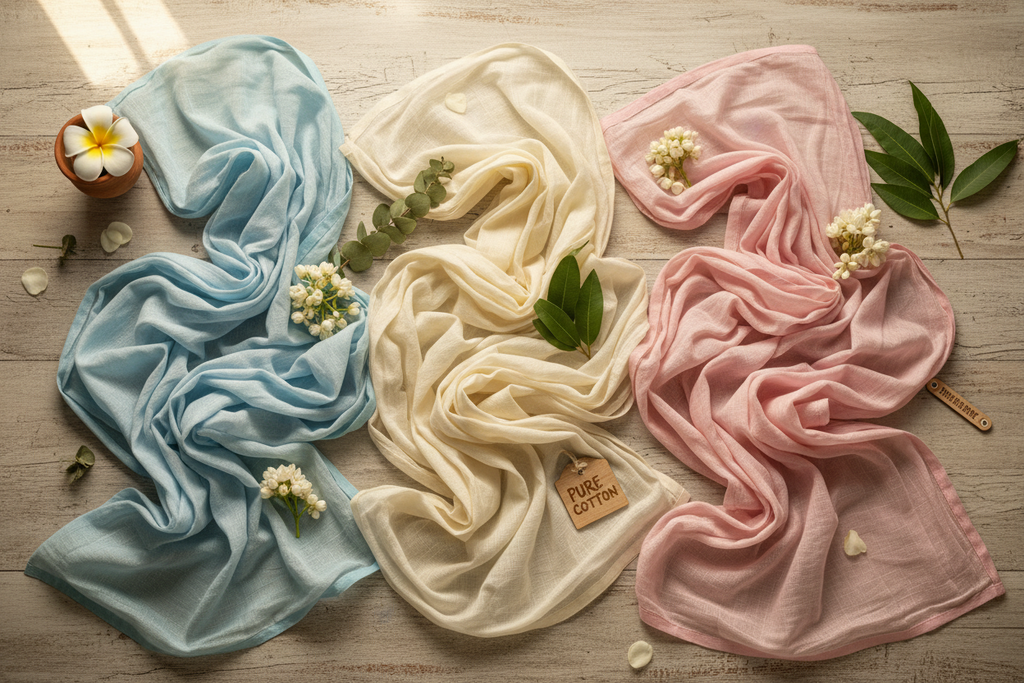
The most common and damaging mistake made by owners of fine sarees is storing heavy bridal silks inside commercial zippered plastic bags or clear vinyl garment cases. Plastic sheets block natural airflow entirely, trapping ambient moisture inside. This trapped humidity reacts with the silver in your zari work and weakens the silk fibers. Over time, plastic covers can also slowly break down, releasing harmful chemical outgases that speed up tarnishing. Always choose completely natural, unbleached cotton or pure muslin sleeve bags instead.
2. The Inside-Out Folding Protocol
Before placing your heavy wedding saree into a protective sleeve, always refold it carefully with the intricate zari pallu and dense border work turned inside-out. This simple adjustment ensures that the smooth, flat side of the silk body faces outward, shielding the complex precious-metal embroidery from direct physical friction, surface snags, and environmental dust while it rests on your shelves.
"A premium handloom saree is a living piece of culture. Caring for it correctly preserves its material value and beautiful texture, ensuring the story it tells on your wedding day remains just as bright for your grandchildren." — The Subhalaya Conservation Atelier
3. The Cabinet Selection: Choose Wood over Metal
Keep your luxury sarees stored flat on flat shelves inside a dedicated dark cabinet or armoire. Pure, solid wood closets (such as mahogany, teak, or rosewood) are ideal because natural wood acts as an organic buffer against outside humidity changes. Avoid using steel or iron cabinets, as metal shelves can retain localized heat and may develop rust points that can permanently stain fine fabrics if the ambient air grows damp.

The Seasonal Maintenance Schedule: Airing and Refolding
Preserving a luxury saree portfolio is a continuous responsibility that goes beyond proper daily storage. Heavy handlooms should never be left undisturbed for years in the back of a wardrobe, as resting under constant pressure along the same creases can permanently weaken the silk threads.
-
The Six-Month Airing Ritual: Every six months, take your wedding silk sarees out of their storage cases. Unfold them completely in a clean, dust-free indoor room under a ceiling fan. Let them air out for several hours away from direct sunlight, which can fade delicate dyes. This simple step clears away trapped room odors and resets the natural moisture levels of the silk fibers.
-
Changing the Fold Lines: When packing your sarees away after airing, avoid folding them back along their exact original crease lines. Refold them slightly off-center to distribute the structural pressure across fresh sections of the silk body. This prevents the threads along the folds from fraying or snapping over time, maintaining a perfectly supple texture.
-
Avoid Hanging Long-Term: Never store heavy, pure zari bridal sarees on metal or plastic coat hangers for extended periods. The sheer material weight of a dense multi-ply Kanchipuram drape can pull down on the vertical threads, distorting the shape of the saree and straining the delicate hand-woven seams.
The Cleaning and Restoration Protocol
Caring for your saree after a major public function requires immediate attention to protect the fabric from deep stains and sweat accumulation. Follow these guidelines to restore your garment safely:
Post-Event Airing
Never fold a saree away immediately after wearing it for a long celebration. Body heat and trace sweat trapped within the silk fibers can cause mold growth if sealed up quickly. Hang the saree gently on a plastic hanger in a well-ventilated, shaded indoor room for 12 to 24 hours to let it cool and dry completely before storage.
Professional Dry Cleaning Selection
If your saree requires stain removal, never attempt to spot-clean or wash heavy pattu fabrics at home with commercial laundry detergents. Send the garment to a specialized luxury dry cleaner who has proven experience handling pure silk handlooms and real precious-metal zari. Always inform the specialist about the exact nature of any food or oil stains so they can apply targeted, gentle treatments without stripping away the natural oils of the silk.

The Subhalaya Standard: Guaranteed Quality and Lifelong Trust
The success of long-term garment preservation depends fundamentally on the material purity and fabric integrity of the original piece. Replicas woven from synthetic polyester blends or copper-dipped tested zari cannot be restored effectively once they begin to tarnish, and they tend to grow brittle very quickly regardless of storage conditions.
Backed by the multi-decade retail authority and trusted quality commitment of Theni Anantham Silks and Readymades Private Limited, Subhalaya provides an absolute guarantee of quality. Every garment in our premier bridal and festive collections is independently Silk Mark Certified. We provide complete transparency regarding our silk weights and zari compositions, ensuring your choice is a certified heritage masterpiece crafted to retain its beautiful sheen and material value across generations.
Frequently Asked Questions (FAQ)
1. Why do the gold borders on some wedding sarees turn dark or black over time?
This darkening happens because authentic pure zari contains a significant layer of real silver. When silver is exposed to airborne pollutants, high humidity, or chemical vapors from plastic storage bags, it undergoes a natural reaction called oxidation. Storing your sarees in breathable cotton or muslin bags prevents this tarnishing.
2. Can I use mothballs or naphthalene flakes inside my saree closet?
Never allow naphthalene balls or chemical insect repellents to come into direct physical contact with your luxury silk or pure zari sarees. The strong chemical vapors can react with the metallic wires, causing them to lose their shine. Instead, place dry neem leaves or natural cedarwood blocks in separate corners of your closet to repel pests safely.
3. How often should I take my heavy Kanchipuram wedding saree out of storage?
We recommend taking your premium wedding sarees out of storage every four to six months. Let them air out completely in a clean, shaded indoor space and refold them along fresh lines to protect the silk threads from weakening along permanent creases.
4. Is it safe to machine-wash a soft silk saree if it has no heavy zari work?
No, all pure silk sarees should be dry-cleaned by a trusted professional. Machine washing can distort the delicate, handloomed mulberry fibers, strip away the silk's natural protective oils, and ruin the elegant drape and finish of the fabric completely.
5. What makes a Subhalaya silk saree investment more durable over time?
Subhalaya sarees are crafted from high-density, multi-ply pure natural mulberry silk and genuine silver-gold zari alloys. This authentic handloom quality, backed by the trusted reputation of Theni Anantham, ensures the fabric remains strong, flexible, and lustrous for decades.
Conclusion: Honoring Your Family's History
Your wedding silk saree is a precious archive of family memories, an investment in timeless art, and a beautiful reflection of your personal legacy. By learning the science of textile care and following simple, professional routines for storage and maintenance, you shield your handloom from damage and preserve its pristine beauty.
True luxury honors the skill of the weavers and guards the value of family history. We invite you to visit an exclusive Subhalaya showroom today—where the multi-decade trust and dedication of Theni Anantham helps you select and care for a magnificent, certified bridal collection that will shine beautifully for generations to come.
Related post
RECENT POSTS
10.August.2026
