
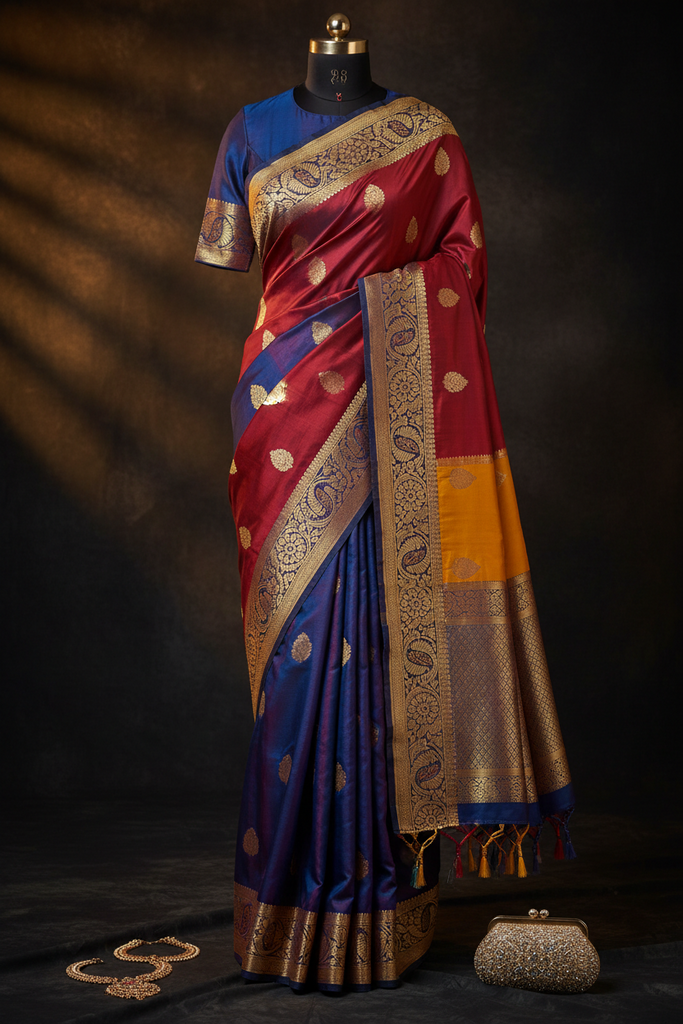
Matriarchal Elegance: Sophisticated Luxury Silk Sarees for the Mother of the Bride and Groom
Introduction: The Dignity of the Matriarchal Throne
In the sacred architecture of a South Indian wedding, the spotlight naturally balances between the couple step-entering their new destiny and the parents who built the foundations of that journey. For the mother of the bride and the mother of the groom, the wedding day is a significant lifelong milestone—a celebration of maternal grace, family history, and deep-seated prayer. As the central hosts who guide extended family circles through complex wedding protocols, greet high-society guests, and perform important blessing rituals on the mandapam, these matriarchs hold a position of absolute respect and honor.
Such a dignified role demands an equally magnificent ensemble. The drapes chosen by the mothers should project effortless poise, graceful maturity, and timeless luxury. This wardrobe should move past fleeting youth-centric fashion trends, favoring instead the rich drape of high-ply natural fabrics, authentic precious-metal weaves, and sophisticated color harmonies. In this dedicated edition of our registry guide, Subhalaya, the premium luxury division of Theni Anantham Silks and Readymades Private Limited, presents a curation of silk sarees for mother of the bride and groom celebrations. We share imperial color choices, traditional motif profiles, and practical styling rules to ensure the family matriarch commands her royal pavilion with absolute grace, distinction, and trust.
The Structural Requirements for Mature Elegance
When selecting premium handloom sarees for seniors, the fabric's internal structure and material density are just as vital as its surface decoration. A mother needs an ensemble that holds its pristine shape perfectly through a full day of demanding rituals, while providing exceptional physical comfort as she moves between hot outdoor pavilions and chilled reception ballrooms.
The Rich Value of Multi-Ply Handlooms
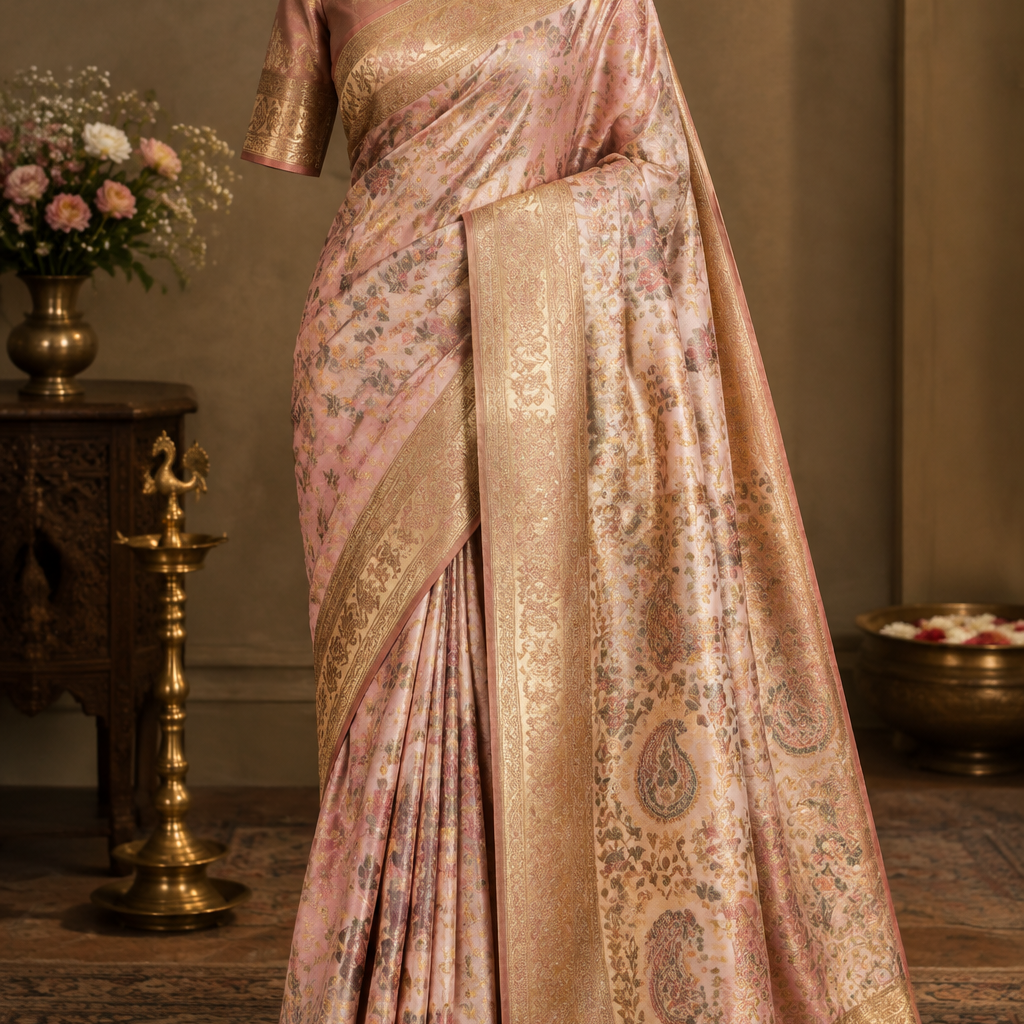
Cheap powerloom materials or lightweight synthetic fabrics lack the natural weight and drape required for a truly dignified presence. For mothers, we highly recommend heavy, double-thread twisted or three-ply pure mulberry Kanchipuram silk sarees. This dense handloom weave falls gracefully straight along the column of the silhouette, masks body shapes beautifully, and forms smooth, stable pleats that remain securely in position without shifting during long hours of activity. When handling a Subhalaya heirloom, you feel a material density that offers a beautiful, flattering silhouette alongside long-term durability.
The Importance of Smooth Zari Craftsmanship
Mothers often participate in intricate pooja ceremonies that involve constant movement, making garment comfort highly essential. Heavy sarees decorated with sharp, metallic zardozi panels, rough plastic cut-dana embroidery, or stiff copper-dipped wire work can irritate sensitive skin and get caught easily on heritage jewelry. Genuine, high-end handloom zari—woven with raw white silk threads wrapped in fine silver and coated in pure 24-karat gold—feels remarkably smooth, soft, and flexible to the touch, ensuring complete physical comfort from morning prayers to evening celebrations.
"Maternal elegance does not chase passing fashion trends; it stands as the steady standard of heritage, commanding absolute respect through fine fabric quality, authentic craftsmanship, and understated grace." — The Subhalaya Collection Matrix
Imperial Color Palettes for the Modern Matriarch
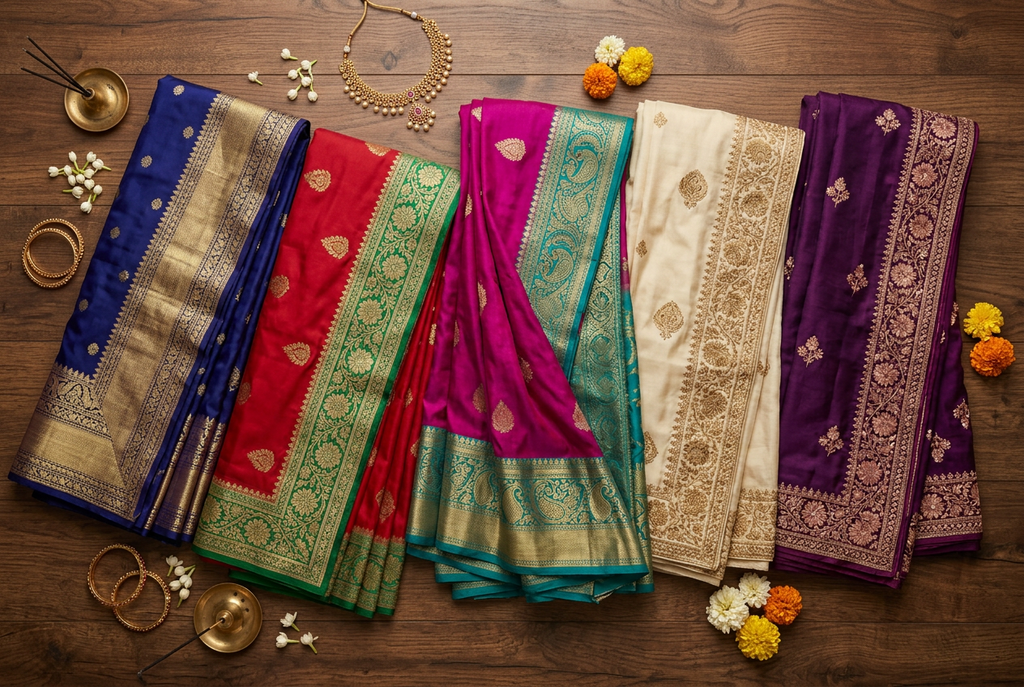
Choosing the right color palette for a mother is an art form focused on balance. The ideal shades should stand out with real dignity, looking appropriately festive and grand without clashing or competing with the bride's primary Muhurtham choices. Subhalaya’s design teams recommend exploring four imperial color directions:
1. Deep Mineral Earth Tones: Mahogany, Araku Maroon, and Burnt Crimson
Rich, dark tones bring an unparalleled air of royal poise and security to the bridal pavilion. Deep mahogany, dark chocolate brown, and concentrated Araku maroon provide a beautiful, sophisticated backdrop that highlights the glow of fine pure gold zari work. These grounding colors are exceptionally flattering for all mature skin tones and coordinate seamlessly with traditional antique gold or diamond necklaces, making them a powerful statement of family prestige.
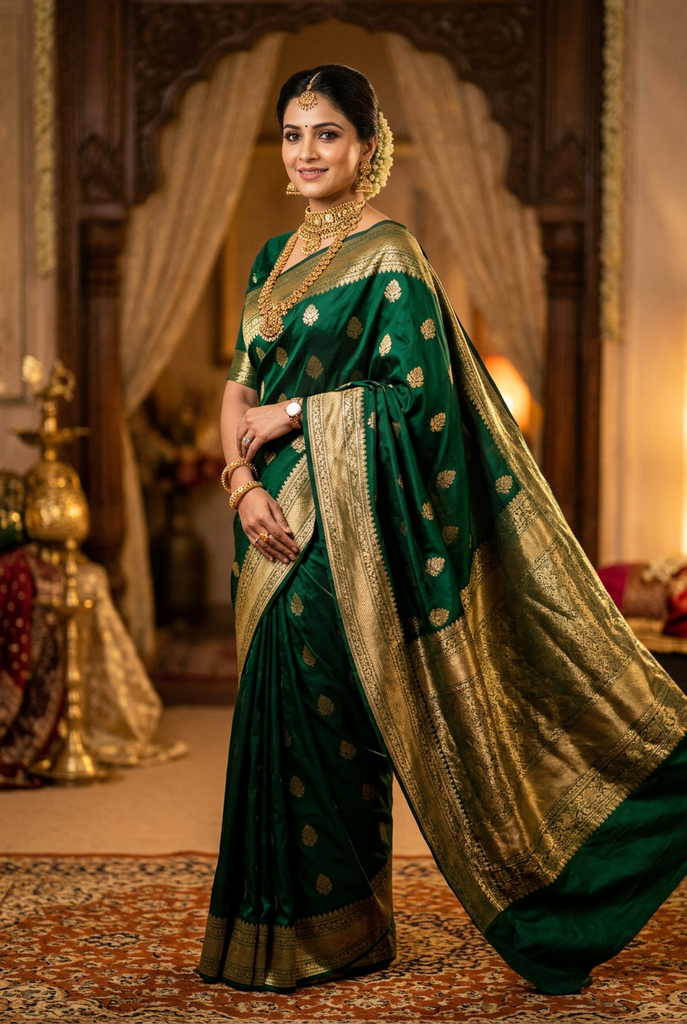
2. Jewel Tones: Imperial Emerald, Royal Sapphire, and Deep Amethyst
If the wedding celebration calls for a rich, vibrant presentation, deep jewel tones offer a stunning option. An authentic Kanchipuram silk saree in deep emerald green or rich navy sapphire blue has a classic charm that photographs beautifully. When structured with thick, traditional gold borders featuring classic Korvai geometric patterns, these royal colors project an elite, sophisticated energy that is perfect for hosting grand evening receptions or welcoming guests at formal engagement dinners.
3. Auspicious Warmth: Sandalwood Gold, Honey Mustard, and Aged Copper
For mid-day prayers, family poojas, or traditional welcoming rituals, warm, mid-tone colors match the setting perfectly. Shades of soft sandalwood, honey mustard, and rich copper gold pay tribute to traditional roots while offering a soft, glowing presence. When these warm warp threads are interwoven with fine silver or gold zari, it produces a beautiful dual-tone shot-silk effect, ensuring the mother looks radiant and celebratory without looking overly reflective.
4. Refined Soft Tones: Sage Green, Slate Blue, and English Mauve
Modern South Indian weddings often include contemporary, daytime functions where deep colors can feel heavy. For these settings, refined, muted tones like sage green, slate blue, or soft mauve provide a beautiful, polished look. These elegant options look highly exclusive and match contemporary venue decorations beautifully, helping the mother project a fresh, youthful yet dignified presence.

Decoding Dignified Iconography: Traditional Motifs for Mothers
The motifs woven into a mother's saree should reflect her respected status as the experienced guardian of the family lineage. For this look, we recommend bypassing overly trendy patterns in favor of classic, large-scale iconography with deep roots in history:
-
The Gopuram (Temple Spire): Woven as interlocking rows along the boundaries of a Korvai border, the gopuram pattern represents spiritual devotion, stability, and enduring protection over the family home.
-
The Rudraksham: Small, circular geometric bands that mirror sacred prayer beads. Woven tightly along the edge lines, they symbolize inner strength, balance, and cosmic protection.
-
The Kamalam (Lotus): The universal symbol of purity, grace, and unfolding wealth. A repeated lotus vine pattern across the pallu adds a beautiful, soft, and highly feminine touch to a mother's drape.
-
The Annapakshi (Sacred Swan): A mythical bird known for its wisdom and ability to separate pure milk from water. This classic motif represents refined wisdom and maternal discernment, making it a beautiful, meaningful choice for the family matriarch.
Practical Styling and Draping Rules for Mature Poise
To ensure a flawless look that remains crisp and perfectly secure throughout a long day of wedding activities, our elite in-store stylists suggest following these targeted draping guidelines:
The Structured Pleat Strategy
For the shoulder pallu, mothers should avoid loose, single-strand drapes that require constant adjustment. Instead, choose a wide, neatly pinned pleat arrangement (roughly 5 to 6 inches wide). This structure keeps the heavy gold pallu secured firmly in place over the shoulder, leaving both hands completely free to perform important religious rituals or greet family circles comfortably. Use a strong safety pin secured an inch behind the shoulder seam to balance the fabric's weight perfectly.
Blouse Tailoring for Absolute Comfort
Keep the blouse design elegant and highly functional. A classic elbow-length sleeve blouse, cut from the saree’s raw contrasting border with clean, minimal necklines, remains an incredibly powerful and stylish choice. Avoid adding heavy embroidery along the back panels, which can feel uncomfortably scratchy against the skin when sitting through multi-hour mandapam rituals. Prioritize a perfect, tailored fit with soft cotton interior linings to ensure continuous comfort all day.

The Legacy of Trust: The Subhalaya Shopping Experience
Curating a flawless family wardrobe is an important journey built on absolute transparency, verified fabric quality, and multi-decade trust. Because the high-end wedding market is often flooded with lookalike powerloom fabrics and copper-dipped imitation wires, finding a trusted brand is vital to protecting your family's investment.
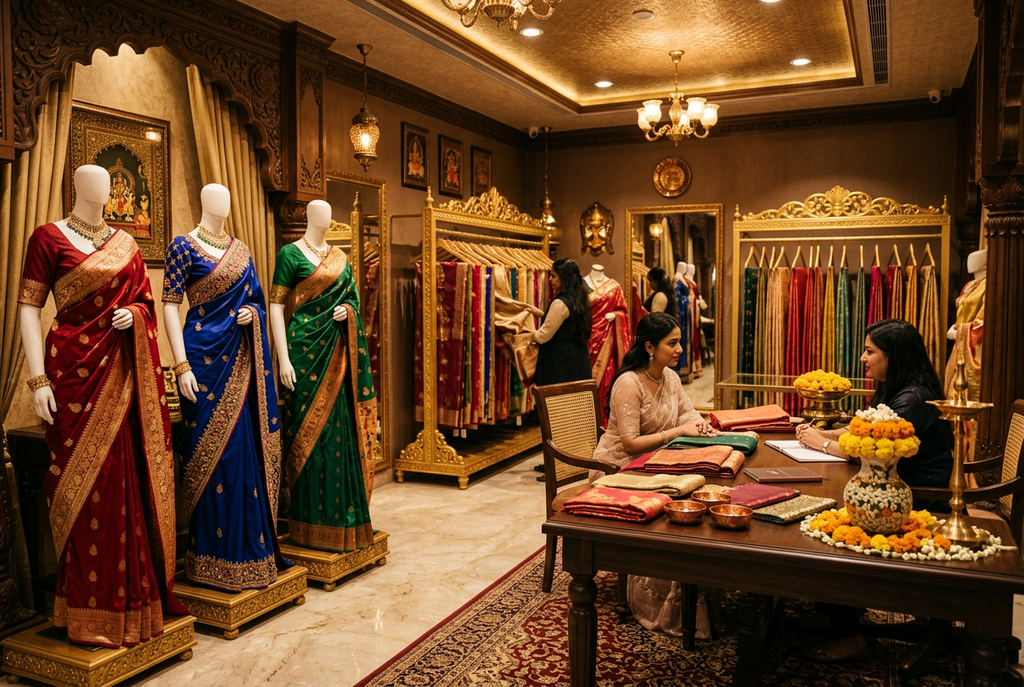
Backed by the respected multi-decade retail legacy and trusted service of Theni Anantham Silks and Readymades Private Limited, Subhalaya provides a secure haven for discerning shoppers. Every single garment in our exclusive matriarchal collections is independently Silk Mark Certified, guaranteeing that you are investing in 100% pure, organic mulberry silk and genuine precious-metal zari. Our private viewing lounges across Madurai, Theni, and Dindigul are carefully designed to offer families a relaxed, personalized, and memorable shopping experience, ensuring every mother receives the dedicated attention she deserves as she selects her generational heirlooms.
Frequently Asked Questions (FAQ)
1. Should the mother of the bride’s saree match the color of the bride's Muhurtham outfit?
It is best not to match colors exactly, as you want both the bride and her mother to stand out individually in family photographs. Instead, look for complementary palettes—such as a mother in deep mahogany or emerald green to provide a beautiful, dignified contrast to a bride in traditional vermilion or crimson red.
2. Why are heavy handloom sarees recommended over lightweight options for senior mothers?
Heavy, multi-ply handloomed silk sarees have a natural density that drapes straight along the column of the silhouette beautifully. They hold clean, stable pleats that remain securely locked in place all day and look far more regal under grand wedding spotlights than lightweight fabrics.
3. How can I ensure that a heavy Kanchipuram border does not feel too stiff or heavy for a mother to carry?
Ensure the saree is woven using authentic pure gold and silver zari threads over a natural silk core. Genuine precious-metal threads are remarkably soft, flexible, and pliable, folding smoothly against the body unlike stiff, copper-dipped tested zari replicas.
4. Can the mother of the groom wear a borderless or contemporary pastel saree for evening events?
Yes, absolutely. For evening receptions or modern daytime functions, a mother can look incredibly sophisticated in a borderless charcoal gold, a rich slate blue, or an elegant wisteria lavender saree paired with fine diamond or pearl necklaces.
5. What is the most effective way to care for a mother’s heavy pattu saree after a long wedding day?
Hang the saree gently on a plastic hanger in a well-ventilated indoor room away from direct sunlight for 12 to 24 hours to let any trapped body heat or moisture dry out completely. Wrap it in a clean muslin sleeve bag before storing it flat on a wooden shelf.
Conclusion: Honoring the Architects of the Future
A South Indian wedding is a beautiful celebration of family ties, respect for tradition, and new beginnings. As you prepare to welcome your children into their new life chapters, let your attire be a magnificent reflection of the strength, love, and grace that you have poured into your family over the decades. Step away from ordinary commercial trends and immerse yourself in the luxurious world of handloomed excellence.
We invite you to visit an exclusive Subhalaya showroom today—where the multi-decade heritage, prestige, and quality dedication of Theni Anantham brings your dream festive wardrobe to life with true artistry and absolute luxury.
Related post
RECENT POSTS
10.August.2026
